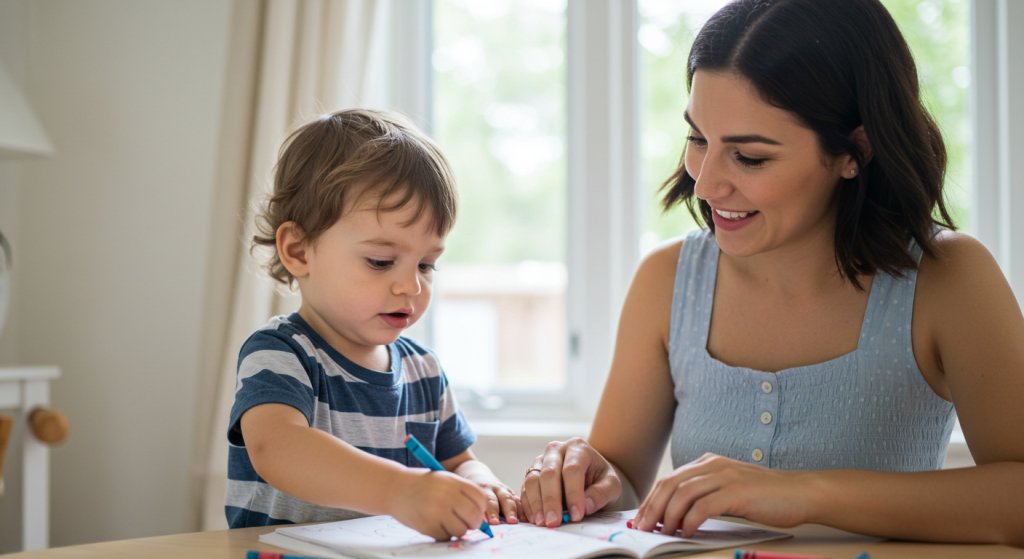

How to Help Your Toddler Start Their Colorful Journey
Watching a toddler grasp a crayon for the first time, even just to scribble, is a magical moment. It marks an exciting developmental stage, signifying growth in fine motor skills, hand-eye coordination, and self-expression. While children naturally explore, there are wonderful ways you can gently encourage your little one to start coloring and embrace this enriching activity.
According to occupational therapists and early childhood development specialists, such as those at The Inspired Treehouse, introducing coloring and similar fine motor activities is crucial for developing the foundational skills necessary for future tasks like writing, drawing, and self-care. The emphasis in the early stages isn’t on perfection, but on the exploration of cause and effect, sensory input, and strengthening small hand muscles.
When to Introduce and How to Begin
Toddlers often show readiness for art exploration between 18 months and 2 years old, characterized by an interest in making marks or holding objects like crayons. Here’s how to help them start coloring:
- Choose the Right Tools:
- Crayons: Opt for large, chunky, non-toxic crayons designed for toddlers. Their size makes them easier for small hands to grasp using a palmar or fisted grip. Triangular crayons are also excellent as they don’t roll off surfaces.
- Paper: Start with large sheets of paper (11×17 inches or larger). This gives them plenty of space to make broad, sweeping movements without the pressure of staying within small boundaries. Tape the paper to a table or high chair tray to prevent it from sliding.
- Other Mediums: Don’t limit yourselves to just crayons. Washable markers (chunky ones), finger paints, or even sidewalk chalk can offer different sensory experiences and ways to start coloring.
- Create an Inviting Space:
- Dedicated Spot: Set up a designated “art zone” that’s easy to clean and where your child feels comfortable. This could be a small table and chair, or even just a high chair tray.
- Accessible Materials: Keep the art supplies within easy reach, but supervise closely to ensure safe use, especially with very young toddlers who may still mouth objects.
- Model and Play Together:
- Demonstrate, Don’t Direct: Instead of telling them how to color, show them! Sit down with them, pick up a crayon, and make some scribbles yourself. Talk about the colors you’re using or the marks you’re making (“Look, I’m making a long blue line!”).
- Focus on the Process: At this age, the act of making marks is the reward. Resist the urge to draw specific objects for them or to correct their grip. The goal is exploration and engagement, not creating a masterpiece.
- Short & Sweet: Toddlers have short attention spans. Start with brief sessions, perhaps just 5-10 minutes, and let them lead. When they lose interest, put the supplies away and try again another time.
Encouragement and Patience are Key
Helping your toddler start coloring is a journey of discovery for both of you.
- Praise Effort: Always praise their effort and engagement (“Wow, look at all those vibrant colors you’re using!”). Avoid comments that focus on neatness or accuracy like “Stay in the lines.”
- Explore Sounds and Textures: Talk about the sounds the crayons make on the paper, or the different textures of the paper itself. Engage multiple senses.
- Clean Up Together: Involve them in the clean-up process, even if it’s just putting crayons back in a bin. This teaches responsibility and signals the end of the activity.
By providing the right tools, a supportive environment, and plenty of positive encouragement, you can help your toddler confidently start coloring and unlock a world of creativity and essential developmental growth.
Start coloring now!